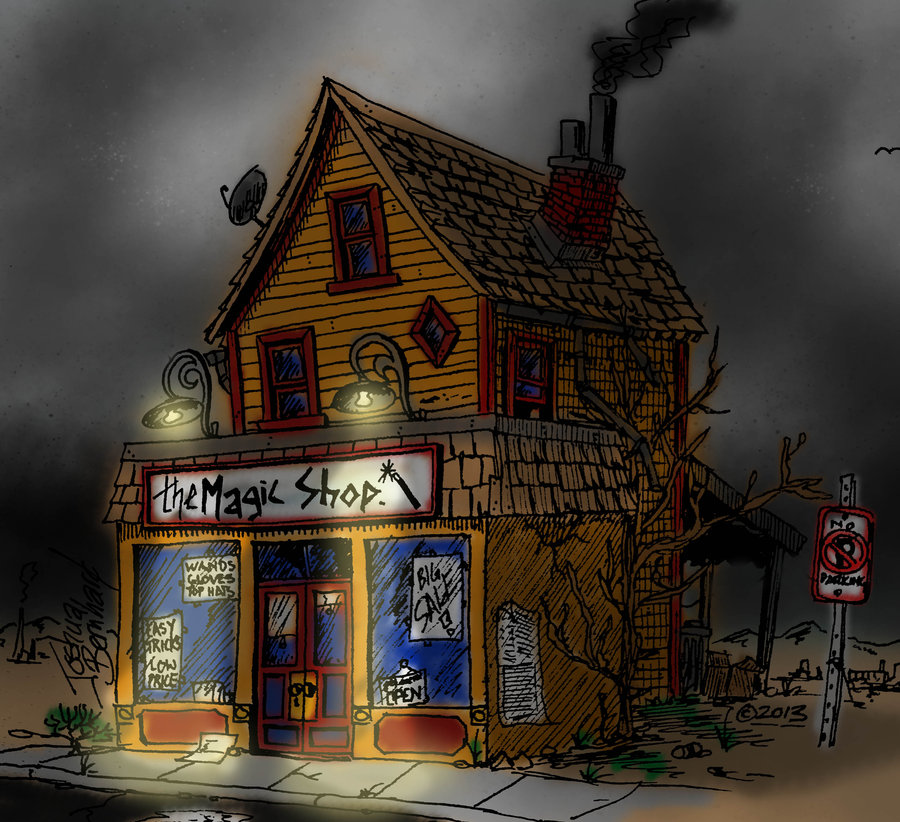
I’m never voting again.
I woke up this morning excited to vote in my first presidential election. Being a part of democracy was great and all, but my local polling plaza was offering free popcorn! Who could turn that down? Today was supposed to be a good day.
Then, as I was about to leave my apartment, I got a call ‘reminding’ me of my tonsil surgery appointment. Today. I had scheduled it for next week!
The receptionist apologized for the mix-up but the next availability wouldn’t be until December. It was June. So I went in to get it over with. I walked out of the doctor’s office (exhausted from the drugs and with one hell of a sore throat) to find that it was raining. The weatherman said clear skies! And me, without my umbrella.
I had only an hour to get across town and to my local polling booth. Traffic wasn’t as bad as I expected it to be, but there was this one guy who kept cutting me off. When I honked my horn I guess it startled him. He sped forward and crashed right in front of my exit, making a huge pile-up that blocked both the highway and my exit. I had to get out and walk.
When I finally arrived at Grand Central Plaza Polling Center, the security guards stopped me. “What’s that smell?” one of them said.
I noticed it just then, too. It was foul. I checked under my shoes. I had stepped in dog shit. Of course.
“It could be some bioterrorism,” the guard said to the other. And just like that, I was a national security threat. I’m all for protecting the homeland and junk, but was it really necessary to make me strip down to my boxers? I don’t think so.
By now, I was quite irritated. When I walked into the voting area, I didn’t even care that there was no privacy: all the voting booths were not really booths at all, but computers with big monitors where anyone could see your vote. Whatever.
Of course I had technical difficulties. Someone had inactivated the account I needed to vote. I immediately knew who must have done it: Iggy, the woman I had gone on a blind date with a month ago, never called back, and was now stalking me. It took another thirty minutes to sign up for another account and reboot the system.
At long last, the candidates. There was GI Joe, who didn’t have a bio at all. The second candidate was Babyface, an R&B singer who was running on the slogan “Do it for the children: stop global warming.” The third was Albert Einstein, and his campaign slogan was a tad more ambitious: “Though the deficit’s at its peak, I’ll fix it in a week!” Finally, there was Clark Kent, who claimed he could end the War on Terror. He didn’t have a nifty slogan, but I had heard much about him. He planned to shut down all four branches of the US military, one by one, over the next 15 years.
I knew nothing about politics and was really itching for that free popcorn, so I went with the most popular candidate: GI Joe. I clicked on his name, and frowned.
“That’s weird,” I said. I tried clicking GI Joe’s name again. And again, Clark Kent’s box was checked. Again. And again. At first I thought this was more bad luck and then I glanced at everyone else’s computer. They had all voted for Clark Kent.
This election was rigged! The last pre-election polls I'd checked had GI Joe a clear favorite with 90%, but that wouldn’t matter if the damn votes were rigged.
Yeah, I know. Who cares, right? But now it was about more than just popcorn: it was about principle. Thankfully, I knew the law. I could vote orally if I didn’t want to use a computer.
I put in my request for an oral recording of my vote and, to my surprise; they led me out back to a dingy old cabin. They said that senior citizens weren’t allowed to use oral voting by law and, even though I have only a single strand of gray hair on my head, they checked my ID to make sure I wasn’t too old! This was all probably to dissuade me, but my throat hurt, I smelled like shit, and I was determined to have my vote heard. Besides, I wanted my free popcorn.
After the vote, I left the cabin with my free bag of popcorn and my 'I voted' sticker. I was about to finally pop the first kernel of popcorn into my mouth when, out of nowhere, Iggy came up and tazed me.
"That's for not returning my phone calls!" she said and then ran off giggling.
She left me there, writhing around on the ground. I spent the next hour trying to move my hand to grab just one of the popcorn kernels. I almost had it when an iguana came by and began to eat.
Since when do iguanas freaking eat popcorn?!?
Sunday, April 27, 2014
#5: The Rhino and the Corona (Rhinovirus and Coronaviridae)
Three old men get together every Spring during the rainiest night to exchange stories. This year, the topic is ‘the weirdest thing you’ve ever seen.’
The first man told the story of Rebecca the Rhino. He’d been responsible for her years ago when he worked as a zookeeper at the San Diego Zoo. Ever since Rebecca had been born, she didn’t like being naked and would try to cover herself with all types of things—leaves, grass, the trash people left. One day an overzealous tourist leaned too far and fell into the rhino pit. In her terror, she dropped a red ruby necklace as she ran away. Low and behold, the next day Rebecca was wearing it around her neck. From then on, visitors would bring her jewelry and by the time she died she had 113 different earrings and necklaces!
The second man told the story of the Beer Tornado that almost destroyed the world. One day, a college kid shook up a Corona for three whole days and then popped the cap. The gas had built up so much that it spawned a huge tornado that quickly spread throughout the countryside, coating the land with beer suds. The tornado was so strong, the old man claimed, that people could smell the beer all the way in the Middle East. The tornado was so strong, the man claimed, that it changed the constellation of the stars.
“How did they stop it?” the first man asked.
“They didn’t. It was wintertime and that night the temperature dropped something fierce. By morning the whole tornado was frozen solid. It was amazing how it stayed in one piece. People came from all around that Spring to drink from the Preposterous Corona Reserve.”
“That’s the most ridiculous thing I’ve ever heard,” the first man said. He turned to the third man, who’d been quiet. “Well, what about you? What’s the weirdest thing you’ve ever seen?”
“That,” the third man said, pointing. They all turned around.
It was Recebba the Rhino, in all her 113 pieces of jewelry, drinking a corona.
The first man told the story of Rebecca the Rhino. He’d been responsible for her years ago when he worked as a zookeeper at the San Diego Zoo. Ever since Rebecca had been born, she didn’t like being naked and would try to cover herself with all types of things—leaves, grass, the trash people left. One day an overzealous tourist leaned too far and fell into the rhino pit. In her terror, she dropped a red ruby necklace as she ran away. Low and behold, the next day Rebecca was wearing it around her neck. From then on, visitors would bring her jewelry and by the time she died she had 113 different earrings and necklaces!
The second man told the story of the Beer Tornado that almost destroyed the world. One day, a college kid shook up a Corona for three whole days and then popped the cap. The gas had built up so much that it spawned a huge tornado that quickly spread throughout the countryside, coating the land with beer suds. The tornado was so strong, the old man claimed, that people could smell the beer all the way in the Middle East. The tornado was so strong, the man claimed, that it changed the constellation of the stars.
“How did they stop it?” the first man asked.
“They didn’t. It was wintertime and that night the temperature dropped something fierce. By morning the whole tornado was frozen solid. It was amazing how it stayed in one piece. People came from all around that Spring to drink from the Preposterous Corona Reserve.”
“That’s the most ridiculous thing I’ve ever heard,” the first man said. He turned to the third man, who’d been quiet. “Well, what about you? What’s the weirdest thing you’ve ever seen?”
“That,” the third man said, pointing. They all turned around.
It was Recebba the Rhino, in all her 113 pieces of jewelry, drinking a corona.
#4: Gemma's Pet Shop (Enteroviruses: Coxsackie A/B, Echovirus)
Gemma’s Summer Pet Shop was located on the top floor of Coldstone Plaza. She loved working in a pet shops because she got to meet all different kinds of people. One day, for example, the cutest little girl and the most stressed-out father walked into her shop.
“How about we take the helmet off now, Autumn?” the father said.
The little girl, who was indeed wearing a burlap sack over her head with eye slits cut out and a #1 written on the front, didn’t respond. The father sighed and said, “I mean, how about we take the helmet off, Popcorn.”
“That’s right, I’m Popcorn, explorer of worlds!” the little girl said, standing tall with her hands on her hips. Her arms were caked with dirt. Gemma thought it might be an attempt at camouflage.
“We’re inside now,” the father said. “So I think you’re safe from the alien acid rain. So no helmet, okay?”
Giggling, the little girl took off the sack and went to look at the different animals in the shop. Gemma cringed a little as Popcorn touched the sparkling glass cages with her dirty hands.
“She’s going through . . . a phase,” the father said to Gemma.
“I can see,” Gemma said. “What brings you in today?”
“We’re looking for a pet mouse. You got any?”
“As a matter of fact, we have two. Right over here.”
“Perfect.” The father turned to call for his daughter. “Autumn--I mean, Popcorn! Come look at the mice!”
The two mice for sale looked very similar, but one could easily see the differences if they looked long enough. The first mouse, Angel, had a pretty red bow tied around his neck and a pattern of spots that Gemma had never seen on a mouse before. His body was completely white, except for black spots on all four of his paws and one covering his nose, as if he were wearing gloves and a muzzle. He was a lively mouse and immediately started doing little tricks to impress Popcorn. He even played dead, lying on his side for a full minute without moving. Popcorn clapped in delight.
The second mouse, Braveheart, was nothing like his name. He shied away in the corner, so afraid that you could see his heart beating through his chest and hear his strained breathing.
“Which one do you want, sweetie?” the father said. Gemma knew it would be Angel. Why would anyone want a scared mouse like Braveheart?
But the little girl thought about it, then surprised Gemma.
“Can I have both?” the girl said.
The father smiled. “Why not?”
On their way out, Popcorn stopped to marvel at Echo, my pet Bat. Echo was pregnant, and therefore wasn’t for sale. Before Gemma could say anything, the father grabbed Popcorn’s hand.
“Not a chance,” he said.
When they'd gone, Gemma went to clean the cages.
“How about we take the helmet off now, Autumn?” the father said.
The little girl, who was indeed wearing a burlap sack over her head with eye slits cut out and a #1 written on the front, didn’t respond. The father sighed and said, “I mean, how about we take the helmet off, Popcorn.”
“That’s right, I’m Popcorn, explorer of worlds!” the little girl said, standing tall with her hands on her hips. Her arms were caked with dirt. Gemma thought it might be an attempt at camouflage.
“We’re inside now,” the father said. “So I think you’re safe from the alien acid rain. So no helmet, okay?”
Giggling, the little girl took off the sack and went to look at the different animals in the shop. Gemma cringed a little as Popcorn touched the sparkling glass cages with her dirty hands.
“She’s going through . . . a phase,” the father said to Gemma.
“I can see,” Gemma said. “What brings you in today?”
“We’re looking for a pet mouse. You got any?”
“As a matter of fact, we have two. Right over here.”
“Perfect.” The father turned to call for his daughter. “Autumn--I mean, Popcorn! Come look at the mice!”
The two mice for sale looked very similar, but one could easily see the differences if they looked long enough. The first mouse, Angel, had a pretty red bow tied around his neck and a pattern of spots that Gemma had never seen on a mouse before. His body was completely white, except for black spots on all four of his paws and one covering his nose, as if he were wearing gloves and a muzzle. He was a lively mouse and immediately started doing little tricks to impress Popcorn. He even played dead, lying on his side for a full minute without moving. Popcorn clapped in delight.
The second mouse, Braveheart, was nothing like his name. He shied away in the corner, so afraid that you could see his heart beating through his chest and hear his strained breathing.
“Which one do you want, sweetie?” the father said. Gemma knew it would be Angel. Why would anyone want a scared mouse like Braveheart?
But the little girl thought about it, then surprised Gemma.
“Can I have both?” the girl said.
The father smiled. “Why not?”
On their way out, Popcorn stopped to marvel at Echo, my pet Bat. Echo was pregnant, and therefore wasn’t for sale. Before Gemma could say anything, the father grabbed Popcorn’s hand.
“Not a chance,” he said.
When they'd gone, Gemma went to clean the cages.
Thursday, April 24, 2014
#3: The Merciful Mummy's Revenge (Measles, Mumps, Rubella)
The Parrot King was the greatest ruler Egypt had ever known. He was responsible for ending the longest Civil War in history and bringing Egypt back together. He was a just king and was known for being especially kind of animals, and was even mummified with his pet parrot (and thus the posthumous title, the Parrot King). He was so loved that all his laws remained unchanged for thousands of years.
Measopholees, a descendent of the Parrot King, was set to inherent the throne and all of his family's riches. He was a handsome man with bright blue eyes, but most people revered him as a great warrior. He was especially known for his strategic brilliance, and always wore the family crest (a Falcon rising above a tornado) with pride. Yet he secretly disagreed with one of the Parrot King’s laws: the law against incest.
His inability to abide by this law wasn’t entirely his fault: his sister, Ruby, had always admired her brother’s intelligence and wanted her own children to have his smarts. So she seduced him from an early age. The two were usually careful with where they broke the law, but on the night before Measopholees’ coronation, he was so taken by lust and excitement that he had sex with Ruby right in the Royal Plaza. When they were seen, Measopholees’ claim to the throne was immediately revoked. They took his family crest and he and Ruby were shamed in the street. From now on Measopholees and Ruby would have no ties to the royal family, and would be considered less than peasants.
“You must fix this,” Ruby said, for she wanted her children not only to have a sharp brain, but also the heart of a true King. “If you cannot, you are not the man I thought you were.”
Measopholees was nothing without Ruby's love. He quickly came up with a plan not only to regain his inheritance, but to also shame the Parrot King, who had made the stupid law in the first place. He broke in to the Parrot King’s tomb, where he had been mummified and laid to rest. A king was said to rule even in the afterlife, and any failures would be represented in this world. An exposed head meant the greatest transgression, so Measopholees ripped the bandages off the Parrot King’s head. To further shame the king, he took the bandages off his groin and exposed a long-hidden family secret: the Parrot King had testicles the size of mangos.
Measopholees wasn’t satisfied. The humiliation the King’s law had caused him…Measopholees decided he’d leave with a little trophy. He was tempted to take the urn (which was said to hold the Parrot King’s brain) as a symbol of his own superior intellect, but stealing such a thing would be too easily found out. Instead, he took the bright red ring off the King’s pinky. “You stole my inheritance from me,” Measopholees said as he removed the ring. It looked marvelous on his own finger.
The next day the tomb cleaner discovered the King’s desecration and soon the whole city knew: the Parrot King had done something terrible in the afterlife and was thus shamed. The king was so widely loved that no one even considered this could be vandalism. Measopholees quickly took advantage of this and made the case that he should be given back his inheritance, and that the incest laws should be abolished once and for all.
Measopholees enjoyed his riches for two and a half weeks. Towards the end of the third week, a dark mist crept across the desert and fell over the land. No one in the city could hide from it. When they breathed in the mist it made all of their hair fall out, except for a single strand. The mist grew so thick that it blocked out the sun and caused freezing temperatures that no one had ever experienced before. For the first time in recorded history, it snowed in Egypt.
It snowed everywhere, except for over Ruby. A special cloud hung over her and a circle of rain followed her wherever she walked. And when Measopholees made a speech to the city about the current crises, he couldn’t finish, he was coughing so much. It was well known that both omens were signs of a curse. The city council launched an investigation on Measopholees and Ruby. At their trial, Measopholees wore all his jewelry, along with his pinky ring. The tomb cleaner recognized the ring as the Parrot King’s and everyone knew the truth: Measopholees had disrespected the king for his own gain and thus brought this hardship over the city. Ruby was befuddled as they took them in to custody. How could Measopholees do something so stupid as bring evidence of the crime to his own trial? That was so unlike him!
The only way to cure the town of the Parrot King’s curse was to get rid of Ruby and Measopholees. Since the Parrot King had been a merciful king, instead of killing them, they sent them into exile, but not without doing some damage first. Measopholees was sentenced to 10 lashes from the whip. They had to drag him to the courtyard kicking and screaming. Again, Ruby was surprised: Measopholees was a brave warrior. When had he become a coward? The city’s strongest law enforcer gave Measopholees his licks. On the last, the Enforcer purposefully hit Measopholees on the face, popping out one of his beautiful blue eyes. A stray dog ran by and snatched up his blue, bloodied eye in its mouth.
Measopholees was stripped naked of his clothes and Ruby was given only a toga to protect her from the desert sun. Then they were driven out of the city. The hot sun burned Measopholees from head to toe. Ruby still had the rain cloud hanging over her, but the heat made the water boil. As the bubbling water dripped down her body, it burned her hair from her head and boiled her skin. Soon both lovers looked like someone had hung them by their legs and dipped them in a vat of acid.
One night, when Measopholees tried to make a sand mermaid (it was actually pretty good, too) using Ruby’s rain, she realized why his personality had been changing and why his intellect was deteriorating: her lover’s brain was turning in to mush from the Parrot King’s curse. She had fallen in love with him when they were children because of his smarts, and now he was getting dumb and dumber. He got worse and worse, and as they continued on through the desert, his speech was the last to go. Soon he would only ever yell the letter ‘A’ in response to anything Ruby said.
As a last resort, Ruby told Measopholees news that she’d been holding in ever since their exile. If any of Measopholees was left, this would bring him out.
“Measopholees, my dear,” she said. “I’m with child.”
Measopholees stopped and looked at her. He opened his mouth, then screamed, “A! A, a, a, a, A!!!” He sat down in the sand and continued to scream. Ruby, devastated, left him there to die.
Ruby finally comes to a small town called Munich. With the bad omen still hanging over her, only one inn will let her stay the night because the innkeeper can see she is with child. She is in grueling labor for three whole days. When her son is finally born, the rain stops. Ruby does not rejoice, because she knows this only means the curse has passed on from her to her child. She wanted her child to have Measopholees’ robust mind, pretty eyes, and the heart of a king, but, because of her greed, instead he would forever be dumb, blind, and heartless.
Measopholees, a descendent of the Parrot King, was set to inherent the throne and all of his family's riches. He was a handsome man with bright blue eyes, but most people revered him as a great warrior. He was especially known for his strategic brilliance, and always wore the family crest (a Falcon rising above a tornado) with pride. Yet he secretly disagreed with one of the Parrot King’s laws: the law against incest.
His inability to abide by this law wasn’t entirely his fault: his sister, Ruby, had always admired her brother’s intelligence and wanted her own children to have his smarts. So she seduced him from an early age. The two were usually careful with where they broke the law, but on the night before Measopholees’ coronation, he was so taken by lust and excitement that he had sex with Ruby right in the Royal Plaza. When they were seen, Measopholees’ claim to the throne was immediately revoked. They took his family crest and he and Ruby were shamed in the street. From now on Measopholees and Ruby would have no ties to the royal family, and would be considered less than peasants.
“You must fix this,” Ruby said, for she wanted her children not only to have a sharp brain, but also the heart of a true King. “If you cannot, you are not the man I thought you were.”
Measopholees was nothing without Ruby's love. He quickly came up with a plan not only to regain his inheritance, but to also shame the Parrot King, who had made the stupid law in the first place. He broke in to the Parrot King’s tomb, where he had been mummified and laid to rest. A king was said to rule even in the afterlife, and any failures would be represented in this world. An exposed head meant the greatest transgression, so Measopholees ripped the bandages off the Parrot King’s head. To further shame the king, he took the bandages off his groin and exposed a long-hidden family secret: the Parrot King had testicles the size of mangos.
Measopholees wasn’t satisfied. The humiliation the King’s law had caused him…Measopholees decided he’d leave with a little trophy. He was tempted to take the urn (which was said to hold the Parrot King’s brain) as a symbol of his own superior intellect, but stealing such a thing would be too easily found out. Instead, he took the bright red ring off the King’s pinky. “You stole my inheritance from me,” Measopholees said as he removed the ring. It looked marvelous on his own finger.
The next day the tomb cleaner discovered the King’s desecration and soon the whole city knew: the Parrot King had done something terrible in the afterlife and was thus shamed. The king was so widely loved that no one even considered this could be vandalism. Measopholees quickly took advantage of this and made the case that he should be given back his inheritance, and that the incest laws should be abolished once and for all.
Measopholees enjoyed his riches for two and a half weeks. Towards the end of the third week, a dark mist crept across the desert and fell over the land. No one in the city could hide from it. When they breathed in the mist it made all of their hair fall out, except for a single strand. The mist grew so thick that it blocked out the sun and caused freezing temperatures that no one had ever experienced before. For the first time in recorded history, it snowed in Egypt.
It snowed everywhere, except for over Ruby. A special cloud hung over her and a circle of rain followed her wherever she walked. And when Measopholees made a speech to the city about the current crises, he couldn’t finish, he was coughing so much. It was well known that both omens were signs of a curse. The city council launched an investigation on Measopholees and Ruby. At their trial, Measopholees wore all his jewelry, along with his pinky ring. The tomb cleaner recognized the ring as the Parrot King’s and everyone knew the truth: Measopholees had disrespected the king for his own gain and thus brought this hardship over the city. Ruby was befuddled as they took them in to custody. How could Measopholees do something so stupid as bring evidence of the crime to his own trial? That was so unlike him!
The only way to cure the town of the Parrot King’s curse was to get rid of Ruby and Measopholees. Since the Parrot King had been a merciful king, instead of killing them, they sent them into exile, but not without doing some damage first. Measopholees was sentenced to 10 lashes from the whip. They had to drag him to the courtyard kicking and screaming. Again, Ruby was surprised: Measopholees was a brave warrior. When had he become a coward? The city’s strongest law enforcer gave Measopholees his licks. On the last, the Enforcer purposefully hit Measopholees on the face, popping out one of his beautiful blue eyes. A stray dog ran by and snatched up his blue, bloodied eye in its mouth.
Measopholees was stripped naked of his clothes and Ruby was given only a toga to protect her from the desert sun. Then they were driven out of the city. The hot sun burned Measopholees from head to toe. Ruby still had the rain cloud hanging over her, but the heat made the water boil. As the bubbling water dripped down her body, it burned her hair from her head and boiled her skin. Soon both lovers looked like someone had hung them by their legs and dipped them in a vat of acid.
One night, when Measopholees tried to make a sand mermaid (it was actually pretty good, too) using Ruby’s rain, she realized why his personality had been changing and why his intellect was deteriorating: her lover’s brain was turning in to mush from the Parrot King’s curse. She had fallen in love with him when they were children because of his smarts, and now he was getting dumb and dumber. He got worse and worse, and as they continued on through the desert, his speech was the last to go. Soon he would only ever yell the letter ‘A’ in response to anything Ruby said.
As a last resort, Ruby told Measopholees news that she’d been holding in ever since their exile. If any of Measopholees was left, this would bring him out.
“Measopholees, my dear,” she said. “I’m with child.”
Measopholees stopped and looked at her. He opened his mouth, then screamed, “A! A, a, a, a, A!!!” He sat down in the sand and continued to scream. Ruby, devastated, left him there to die.
Ruby finally comes to a small town called Munich. With the bad omen still hanging over her, only one inn will let her stay the night because the innkeeper can see she is with child. She is in grueling labor for three whole days. When her son is finally born, the rain stops. Ruby does not rejoice, because she knows this only means the curse has passed on from her to her child. She wanted her child to have Measopholees’ robust mind, pretty eyes, and the heart of a king, but, because of her greed, instead he would forever be dumb, blind, and heartless.
Tuesday, April 22, 2014
#1: The Boner Bandits Rob a Magic Shop (Influenza and Parainfluenza)
Pinky and the Brain (known collectively as the Boner Bandits) were cursed by Felix the Magician after trying to steal a wand from his magic shop. He disconnected their abdomens from their legs, so that every time they jump, or fall, they have to be put together again!
To take their revenge, they plan to rob his shop!
They hire Buddy Love as the getaway driver. Love wasn’t cursed, and so is in one piece, but loves mayhem so is along for the ride. His getaway car is called the F-Bomb because when it’s time to go it can 'get the eff out of here', no matter the terrain! It’s especially needed for this job since it’s been snowing all day and thick, white snow covers every inch of every surface.
“You sure you don’t want to come in with us?” Pinky asks as Love parks around the corner from the shop.
“I’m a getaway driver,” Love says. “I never go in. I’m staying right here.” He puts his legs up and takes out a big Caesar salad, full of croutons.
“Suit yourself,” Brain says. He and Pinky check the magazines of their M2 Machine Guns and then holster them on the inside of their big fur coats. “Let’s go, Pinky.”
First Pinky and the Brain have to get past the Magic Shop’s defense: a magical ram tied to the roof that sings all day and night. His music prevents non-magicians from even getting close to the shop.
While Pinky waits by the entrance, Brian scales the side of the magic shop, using only a sword to dig into the concrete walls. A Nameless Sellsword who owes Felix a favor is supposed to be watching the ram, but he’s sleep on the job. Brain easily sneaks by him. The plan is to slaughter the ram, but now that Brain sees it, he finds sympathy. He instead cuts the ram free, then shoos it away by flapping the tails of his fur coat. The ram flees, jumping from rooftop to rooftop. Soon, the music is gone and the magical barrier is no more. Brain radios the go-ahead to Pinky, then sneezes over and over again as a strong wind blows dust in his face. The Nameless Sellsword begins to stir.
Down below, Pinky approaches the door with no trouble. The ram’s music wasn’t the only defense, however. The doors are locked and only the retina scan of a true wizard can unlock it. But Pinky and the Brain are ready! The day before they’d robbed the grave of a wizard and stole his eye. Pinky holds the eye up so that the scanner can see, unlocking the door. Delighted, he steps inside.
Felix has been expecting retaliation, and Pinky isn’t ready for the horrors of the Magic Shop and it’s loyal magicians. Pinky first encounters an old woman covered with bugs. Without thinking, Pinky rushes to help her. When he’s close enough, he sees that the bugs are not bugs at all, but rats! The old woman laughs, rises, and commands her pet rats to attack Pinky, who is able to kill many before the rest scurry off. But now the old woman (who looks a lot less helpless) is getting ready for her next attack: a fireball is forming at the center of her hands. Panicked, Pinky pulls out his gun, which makes his coat come off in slow motion, just like in the movies. One shot, and she goes down.
To Pinky's surprise, the woman immediately picks herself off the floor. In fact, she’s not an old woman anymore. She’s at least 20 years younger!
“I knew that resurrection spell would come in handy,” she said, brushing herself off. “Tell Felix that Mona took one bullet for him, but she's not taking two. As for you, call me sometime.” This New Mona kisses him on the cheek as she passes.
Meanwhile, sirens rage outside. The ram must have tipped off the police! Not only that, it’s the Magician police and they always have new and unusual ways of catching criminals. Today, they’re using their Synchronized Mastiff Unit: a pack of a hundred dogs, all barking in unison. It’s enough to drive any man crazy. In fact, their sudden presence startles Buddy Love so badly that he begins to choke on his crouton. They have him surrounded.
Inside the magic shop, Pinky advances cautiously. He just needs to find the cash register, and then he can leave. He turns down a hallway and finds a young magician boy, practicing his magic. The boy is wearing a shirt with the Ace of Spades on the front. When he sees Pinky wielding his gun, he does what any normal boy would do: he runs. There’s another boy still in the hallway, however. One Pinky didn't see a second ago. That's because this one is only a spirit. The ghost wears a crown on his head and a costume with lightning bolts on the right side, as if it's Halloween. Even as Pinky points his gun, the brave spirit charges and yells, ‘Ray to the rescue!’ If he were alive, Pinky would have surely thought him insane.
When the spirit boy runs through Pinky, his body goes weak all over. He loses his balance, trips, and his gun goes flying. Because of Felix’s curse, his torso lands in one direction and his legs in another. Before he can bring himself together again, Felix apparates out of thin air and snatches the gun off the ground. Grinning, he mounts it on a mantle. Pinky's legs make a run for it; his arms grab on to them.
On the roof, the Nameless Sellsword is really testing Brain's abilities! The Sellsword gets an opening and it looks like it's all over when he slices Brain through the middle. But Brain is already in two pieces from the curse! After this close call, he leaps over the side and quickly climbs down the wall. As he does, he sees the Magic Shop door bulging out in a very peculiar way. Brain recognize's Pinky's face pushing through from inside, frantically trying to escape! Brain slices at the elastic wall and frees his partner.
“Forget the cash, let’s get out of here,” Brain says. Pinky agrees. But the police have them surrounded. Thus ends the Boner Bandits' reign!
A week later, Brain’s cousin, Adrian, comes to pay Felix a visit. He doesn’t play games, he just burns down the magic shop.
To take their revenge, they plan to rob his shop!
They hire Buddy Love as the getaway driver. Love wasn’t cursed, and so is in one piece, but loves mayhem so is along for the ride. His getaway car is called the F-Bomb because when it’s time to go it can 'get the eff out of here', no matter the terrain! It’s especially needed for this job since it’s been snowing all day and thick, white snow covers every inch of every surface.
“You sure you don’t want to come in with us?” Pinky asks as Love parks around the corner from the shop.
“I’m a getaway driver,” Love says. “I never go in. I’m staying right here.” He puts his legs up and takes out a big Caesar salad, full of croutons.
“Suit yourself,” Brain says. He and Pinky check the magazines of their M2 Machine Guns and then holster them on the inside of their big fur coats. “Let’s go, Pinky.”
First Pinky and the Brain have to get past the Magic Shop’s defense: a magical ram tied to the roof that sings all day and night. His music prevents non-magicians from even getting close to the shop.
While Pinky waits by the entrance, Brian scales the side of the magic shop, using only a sword to dig into the concrete walls. A Nameless Sellsword who owes Felix a favor is supposed to be watching the ram, but he’s sleep on the job. Brain easily sneaks by him. The plan is to slaughter the ram, but now that Brain sees it, he finds sympathy. He instead cuts the ram free, then shoos it away by flapping the tails of his fur coat. The ram flees, jumping from rooftop to rooftop. Soon, the music is gone and the magical barrier is no more. Brain radios the go-ahead to Pinky, then sneezes over and over again as a strong wind blows dust in his face. The Nameless Sellsword begins to stir.
Down below, Pinky approaches the door with no trouble. The ram’s music wasn’t the only defense, however. The doors are locked and only the retina scan of a true wizard can unlock it. But Pinky and the Brain are ready! The day before they’d robbed the grave of a wizard and stole his eye. Pinky holds the eye up so that the scanner can see, unlocking the door. Delighted, he steps inside.
Felix has been expecting retaliation, and Pinky isn’t ready for the horrors of the Magic Shop and it’s loyal magicians. Pinky first encounters an old woman covered with bugs. Without thinking, Pinky rushes to help her. When he’s close enough, he sees that the bugs are not bugs at all, but rats! The old woman laughs, rises, and commands her pet rats to attack Pinky, who is able to kill many before the rest scurry off. But now the old woman (who looks a lot less helpless) is getting ready for her next attack: a fireball is forming at the center of her hands. Panicked, Pinky pulls out his gun, which makes his coat come off in slow motion, just like in the movies. One shot, and she goes down.
To Pinky's surprise, the woman immediately picks herself off the floor. In fact, she’s not an old woman anymore. She’s at least 20 years younger!
“I knew that resurrection spell would come in handy,” she said, brushing herself off. “Tell Felix that Mona took one bullet for him, but she's not taking two. As for you, call me sometime.” This New Mona kisses him on the cheek as she passes.
Meanwhile, sirens rage outside. The ram must have tipped off the police! Not only that, it’s the Magician police and they always have new and unusual ways of catching criminals. Today, they’re using their Synchronized Mastiff Unit: a pack of a hundred dogs, all barking in unison. It’s enough to drive any man crazy. In fact, their sudden presence startles Buddy Love so badly that he begins to choke on his crouton. They have him surrounded.
Inside the magic shop, Pinky advances cautiously. He just needs to find the cash register, and then he can leave. He turns down a hallway and finds a young magician boy, practicing his magic. The boy is wearing a shirt with the Ace of Spades on the front. When he sees Pinky wielding his gun, he does what any normal boy would do: he runs. There’s another boy still in the hallway, however. One Pinky didn't see a second ago. That's because this one is only a spirit. The ghost wears a crown on his head and a costume with lightning bolts on the right side, as if it's Halloween. Even as Pinky points his gun, the brave spirit charges and yells, ‘Ray to the rescue!’ If he were alive, Pinky would have surely thought him insane.
When the spirit boy runs through Pinky, his body goes weak all over. He loses his balance, trips, and his gun goes flying. Because of Felix’s curse, his torso lands in one direction and his legs in another. Before he can bring himself together again, Felix apparates out of thin air and snatches the gun off the ground. Grinning, he mounts it on a mantle. Pinky's legs make a run for it; his arms grab on to them.
On the roof, the Nameless Sellsword is really testing Brain's abilities! The Sellsword gets an opening and it looks like it's all over when he slices Brain through the middle. But Brain is already in two pieces from the curse! After this close call, he leaps over the side and quickly climbs down the wall. As he does, he sees the Magic Shop door bulging out in a very peculiar way. Brain recognize's Pinky's face pushing through from inside, frantically trying to escape! Brain slices at the elastic wall and frees his partner.
“Forget the cash, let’s get out of here,” Brain says. Pinky agrees. But the police have them surrounded. Thus ends the Boner Bandits' reign!
A week later, Brain’s cousin, Adrian, comes to pay Felix a visit. He doesn’t play games, he just burns down the magic shop.
#2: Sydney Drops The F-Bomb (Respiratory Syncytial Virus)
Sydney the Giant wasn’t the most popular kid in Mrs. Stark’s kindergarten class. In fact, he was desperately lonely. He was the #1 student, so he got teased for that. He was the only kid without a Pinky and the Brain bookbag (he had a Gargoyles bookbag instead) so he got teased for that. And, of course, he got teased for being a Giant.
One day Sydney tripped in the snow on the way to school and rolled down a great big hill and spent all day trying to free himself of the snowball he’d created. It was more than enough time for all his classmates to come and see. They laughed until their ribs hurt. For Sydney, this was enough. It was time to change. He needed to do something to make himself cool.
That night, Sydney watched 12 hours of the best stand-up comedy he could find, without taking a break. It was a marathon! By the morning, though, he knew what he had to do. He knew how to make people think he was cool.
The next day when Mrs. Stark called on him to answer a math question, Sydney got ready. This was it. It was his time to shine.
So he did it. He dropped the F-bomb. In front of everyone.
The reaction wasn’t what he’d expected.
Not only was Sydney the #1 kid in the school, he was the first kid to ever drop the F-bomb in class. Many of his classmates covered their ears and started crying. One classmate spit out the water he was drinking. Another tried to run out of the room in terror, tripped over the teacher’s desk, skinned his knee, and got blood all over the tests she was going to pass out at the end of class. Even the flower Mrs. Stark wears behind her ear was offended: it immediately wilted and died.
Mrs. Stark, to say the least, was disappointed with her star student, but she could sympathize with him. She needed a way to show him that grade-school popularity wouldn’t matter much when he got older, and that people who go around dropping the F-bomb don’t get very far in life. To prevent him from ever saying the bad word again, Mrs. Stark made Sydney watch hours and hours of compiled Sarah Palin speeches, titled “Palin’s Vision for the US of A.”
One day Sydney tripped in the snow on the way to school and rolled down a great big hill and spent all day trying to free himself of the snowball he’d created. It was more than enough time for all his classmates to come and see. They laughed until their ribs hurt. For Sydney, this was enough. It was time to change. He needed to do something to make himself cool.
That night, Sydney watched 12 hours of the best stand-up comedy he could find, without taking a break. It was a marathon! By the morning, though, he knew what he had to do. He knew how to make people think he was cool.
The next day when Mrs. Stark called on him to answer a math question, Sydney got ready. This was it. It was his time to shine.
So he did it. He dropped the F-bomb. In front of everyone.
The reaction wasn’t what he’d expected.
Not only was Sydney the #1 kid in the school, he was the first kid to ever drop the F-bomb in class. Many of his classmates covered their ears and started crying. One classmate spit out the water he was drinking. Another tried to run out of the room in terror, tripped over the teacher’s desk, skinned his knee, and got blood all over the tests she was going to pass out at the end of class. Even the flower Mrs. Stark wears behind her ear was offended: it immediately wilted and died.
Mrs. Stark, to say the least, was disappointed with her star student, but she could sympathize with him. She needed a way to show him that grade-school popularity wouldn’t matter much when he got older, and that people who go around dropping the F-bomb don’t get very far in life. To prevent him from ever saying the bad word again, Mrs. Stark made Sydney watch hours and hours of compiled Sarah Palin speeches, titled “Palin’s Vision for the US of A.”
Wednesday, January 8, 2014
The Roller Coaster, Part I
Originally
published in The Colored Lens
![]() |
| credit: Instagram @oscarliii |
A little before ten I parked my bike beside the
hedges lining the driveway leading up to the club. I wiped the sweat from my
face with my shirt and looked up at the mountain. Spiked and bald at the top,
the rest of it was ragged with trees, its bottom hidden by the club and the only
palm trees in Virginia. The sounds coming from inside were loud; the day’s
party was going late.
Woods had made it clear I was not to interact
with any of his guests, so I went around the side and waited by the dumpster.
It wasn’t my area of choice, but it was the only place away from doors and
windows. I tried to pass the time by picking up on conversations drifting from
inside, but I couldn’t make much of the excited chatter. With an occasional
popping noise I imagined champagne bottles and overflowing glasses, the kind
that looked like upside down China-hats. I envisioned people dancing and
singing karaoke in one corner and drunkenly discussing politics in another.
Monday, August 19, 2013
A Special Gift - First Day of Medical School
![]() |
| credit: Instagram @skiddiejoan |
How about plans for after your death? No, I'm not talking about what you will leave your family, or even your legacy. But your physical plans. What will you be doing? Where will you be? It's not something most people think about. In fact, it's probably one of the things we choose to think about least. Place me in a box and in a special place with some sentimental value (under the tree where we got married, for example) and be done with it--let's not talk about it anymore.
Today was my first official day of medical school. And as I end it quite appropriately--sitting in the library with eBooks on my iPad, notes on my laptop, and anatomy flashcards spread about--I can't help but think back on what our professors call our 'first patient': my group's anatomy lab cadaver. He was an old man in his 80s who died of complications stemming from the West Nile Virus. I have no clue what he did for a living, or even the most basic of identifiers, like his name or where he lived. I have not even seen his face; we met him facedown, a black bag covering his head. From the color of his skin I would think he's Caucasian, but that's quite an assumption, isn't it? I can also assume that he was an academic, hence his reason for having an inclination to donate his body in the first place. Again, an assumption. If I do some research on West Nile, I can probably come up with a narrative about how he contracted the disease, and what his final days might have been like. And just after one day...such begins a string of tales I can't help but weave together about this man...a man who will never know a thing about me. And I'll never know much about him, but at the same time I will know more about him than anyone else has.
And that's the fascinating part about it--for me, at least. This man gave his body to become a part of something he ultimately has no control over, no say in, and no representation of himself except for the body he has left. I wonder how much he understood what he was doing. Whether he knew that we'd peel back the layers of his being slowly and methodologically, marveling at parts of him that no one has ever seen before. When his family remembers him, he will be a father, or a husband, or an asshole uncle who no one went to visit in the hospital (because, let's face it, it would be unrealistic for every obituary to be filled with praise). When we remember him, it will be for the almost perfect way the striations of his muscles were revealed. Or the difficulty we had with getting through such a deep layer of fat. We will remember the shape of his vocal cords, though we will never hear his voice. The curve of his hip bone, though we'll never know the specificity of his gait. The grooves of his brain without gleaning a single thought, memory, or emotion.
It's scary. It's impersonal. It's intimate. It's confusing.
It's funny...because going in to anatomy, you dread getting the overweight cadavers. You hear they are hard to work with, take longer to dissect, and sometimes the structures can't be cleaned fully. Once in the lab, we comment about his girth and the difficulty that comes with it. We look at other cadavers for a moment more than a cursory glance and silently exhibit a bit of jealousy. Then we realize that this 'curse' is a blessing in disguise: our cadaver's muscles are big and well-defined. We quickly have one of the best cadavers in the room. Teaching assistants marvel over the detail. Very quickly, excitement replaces what had looked to be a particularly hard semester.
It's unsettling, when I think about it. When this man decided to donate his body to science, was he imagining that people would sing him praise or express frustration based on how easy or difficult it would be to dissect him? Would he have been as willing if he knew the criteria that we would evaluate him on?
Then again, maybe he had the right expectations. Maybe he didn't care at all about his body after his spirit/mind/consciousness had left it. Maybe he realized both the gift he was giving and also that it wouldn't always be considered a perfect gift. Maybe he realized that the students his body would be donated to would be uncomfortable, and that the only way to cope with three hours cutting through a being that was once capable of writing poetry, raising children, murdering, flying airplanes, or what have you...would be to focus on some physical characteristic that detaches the body from its resemblance to us.
It's hard to imagine my body lying in a room, under a sheet, all the lights off with my back torn open. Then again, it's hard to imagine lying in a coffin six feet underground (talk about scary....who started that tradition, anyway???). Maybe it's just hard to imagine being dead. And maybe going six feet under is more for the living than the dead, so that we can protect ourselves from the constant reminder that one day that will be us. In this way, cadavers remind us mortality. That something happens to us after, whether we're aware of it or not. If we're not on a lab table, we're somewhere else, most likely a lot less useful. And a little less remembered. And that's uncomfortable.
This is borderline procrastination. I should be working on my novel, or studying (or trying to find some revolutionary way to do both at one time), and this somehow feels more legit than browsing Facebook. I guess it's important to get my thoughts down, because who knows how much of me will change. Maybe a little, maybe a lot, and I can't say yet which would be bad or good. I only hope that I retain my reflection, my humanity, and at least a memory of the mindset I once had. And keep writing. Otherwise, how will I be able to speak up for myself when it's my turn to be a gift?
Sidenote: I haven't updated this blog in quite a while but I'm still writing and chugging along. There have also been big changes in my life (med school, marriage, alien abductions). I'm not sure yet in which direction this blog will go, but let's hope it stays live. I don't think my well-being depends on it, persay, but it can't hurt!
Friday, September 30, 2011
"The Deadliest Sin" To-Do List 9/30/11
I'm keeping a list of questions that are coming up as I write, so that I can go and research them later. Obviously, some of the more telling details I might leave off.
To Research
To Research
- How states/counties deal with heat waves
- Who would ensure a city lake is safe to skate on in the winter?
- Best way to skip rocks.
- Raccoons --> do they live in Virginia? How do rabid raccoons act?
- Oval communities -- characteristics
- Dental assistant role
- Dentist office staff
- Dentist registry
- Dental operating room..?
- Massage techniques
- Process of pressing charges for third-degree murder
I need to sit down and create a timeline. I have the first few/several chapters outlined, but since I'm following multiple families in Pens with different conflicts, I need to know exactly when everything happens relative to everything else. It should be helpful to get on a whiteboard and just list out the days following the 'big event' at the beginning of the story, and then match them with subsequent events.
I need a new name. 'The Deadliest Sin' isn't going to turn any heads.
I need to finish outlining the first half of the book. The first half of the book is going to have a slightly (read: significantly) different structure than the first, so it's important to get that first half down.
Wednesday, September 28, 2011
Gordon Ferrell - Lunatic of Pens
Gordon was born on June 6, 1955 in Pens, Virginia. His father, Edward Ferrell, had fought in World War II. Ed never talked about his experience, but Gordon's mother said he was a changed man when he got back. There was a fire burning in him that spared the need to sew his seed, and Gordon was the third of eight children over 10 years. For most of his life Gordon remembered his father as a drunk, and sometimes a mean-tempered drunk. Gordon managed to slip under his father's radar, unnoticed and untouched by his rage. Gordon learned how to be conniving when he needed to, and soon became used to throwing one of his siblings under the bus to save himself.
Gordon grew up in the church under the spiritual guidance of his mother. The memories he did have of his father were short, as he spent most of the time at the church. He joined the choir when he was eleven, although he couldn't sing. When that didn't work out, he floated around different positions in the church, until he became the treasurer when he turned eighteen.
It wasn't until Gordon was thirty that he began to embezzle money from the church. His mother had just died of cancer (his father had died by the bottle years before, but that hardly had an affect on Gordon) and Gordon began to see religion in a different light. It hadn't done much to help him, so he'd have to fix that.
But Gordon wasn't the only liar at Holy Pens. As a long-time church member, he noticed things others didn't. And he became quite sure that Pastor Leroy Cummings was taking more from the congregation than offerings. He 'accidentally' walked in on the pastor taking one of these offerings from Patricia Hawthorne in his office one Thursday evening after Bible Study developed a drug addiction from his newfound money. Pastor Cummings knew about Gordon's habits and threatened that he would have him arrested for embezzlement if he spoke any word of what he saw. The church was all he knew, and Gordon wasn't ready to give that up, so he obliged. Still, the Pastor was paranoid and eventually forced Gordon to leave. Gordon later heard whispers of his crimes amongst the congregation and he became ashamed, and furious. There was nothing he could do. Pastor Cummings had gotten in the first word, and anything he told now would merely look like the ramblings of a desperate sinner.
Gordon turned to drugs, though he continued to read the Bible everyday. Sometimes he would get them confused, the feeling of the Spirit when he prayed and the high when he injected.
When the infamous heatwave hit Pens, Gordon had been addicted for five years. His mind had become fried, and he obsessed over getting back at Pastor Cummings. He ended up hiring a HIV-positive prostitute to seduce the pastor. The pastor died during sex and became one of the many victims the day of the heatwave. Gordon didn't care either way. People now new the truth of Leroy Cummings. His sins had been paid for.
Gordon went through a change that day of the heatwave. He saw 'the light,' as they say, and it was good. He stopped drug abuse and studied the Bible even harder. Because now the Lord was speaking to him in a whole new way. The Lord had a purpose for Gordon. He had never felt that before. The Lord needed someone to bring the sinners of Pens to justice. Gordon's seen these sinners in his dreams, and has been making a list. And he would do anything for the Lord...
Gordon Ferrell may just turn out to be the most interesting character in this book. Is he doing good, or conducting evil? Is he a soldier for the Lord, or is he merely the Devil's pawn? As Pens goes to hell, how will his role be refined, intensified?
And, most importantly, who's on his list of sinners, and how will be prepare them for judgment?
Gordon grew up in the church under the spiritual guidance of his mother. The memories he did have of his father were short, as he spent most of the time at the church. He joined the choir when he was eleven, although he couldn't sing. When that didn't work out, he floated around different positions in the church, until he became the treasurer when he turned eighteen.
It wasn't until Gordon was thirty that he began to embezzle money from the church. His mother had just died of cancer (his father had died by the bottle years before, but that hardly had an affect on Gordon) and Gordon began to see religion in a different light. It hadn't done much to help him, so he'd have to fix that.
But Gordon wasn't the only liar at Holy Pens. As a long-time church member, he noticed things others didn't. And he became quite sure that Pastor Leroy Cummings was taking more from the congregation than offerings. He 'accidentally' walked in on the pastor taking one of these offerings from Patricia Hawthorne in his office one Thursday evening after Bible Study developed a drug addiction from his newfound money. Pastor Cummings knew about Gordon's habits and threatened that he would have him arrested for embezzlement if he spoke any word of what he saw. The church was all he knew, and Gordon wasn't ready to give that up, so he obliged. Still, the Pastor was paranoid and eventually forced Gordon to leave. Gordon later heard whispers of his crimes amongst the congregation and he became ashamed, and furious. There was nothing he could do. Pastor Cummings had gotten in the first word, and anything he told now would merely look like the ramblings of a desperate sinner.
Gordon turned to drugs, though he continued to read the Bible everyday. Sometimes he would get them confused, the feeling of the Spirit when he prayed and the high when he injected.
When the infamous heatwave hit Pens, Gordon had been addicted for five years. His mind had become fried, and he obsessed over getting back at Pastor Cummings. He ended up hiring a HIV-positive prostitute to seduce the pastor. The pastor died during sex and became one of the many victims the day of the heatwave. Gordon didn't care either way. People now new the truth of Leroy Cummings. His sins had been paid for.
Gordon went through a change that day of the heatwave. He saw 'the light,' as they say, and it was good. He stopped drug abuse and studied the Bible even harder. Because now the Lord was speaking to him in a whole new way. The Lord had a purpose for Gordon. He had never felt that before. The Lord needed someone to bring the sinners of Pens to justice. Gordon's seen these sinners in his dreams, and has been making a list. And he would do anything for the Lord...
Gordon Ferrell may just turn out to be the most interesting character in this book. Is he doing good, or conducting evil? Is he a soldier for the Lord, or is he merely the Devil's pawn? As Pens goes to hell, how will his role be refined, intensified?
And, most importantly, who's on his list of sinners, and how will be prepare them for judgment?
Sunday, September 25, 2011
'The Deadliest Sin' - My Novel in Progress
I'm writing a book tentatively entitled The Deadliest Sin. I don't want to give too much away, but it's about a small Virginia town which is slowly going to hell...literally. There will be (and are already many) characters in this tale, but the main one is Michael Barboza, a thirteen year old latino boy. He ultimate task is to discover what's happening to the town of Pens and save the people in it before.....that's right, before it's too late! Got to love the cliche.
There are a lot of journeys I'm currently conquering right now in my life. I'll be a married man in less than three months, I'll be in medical school (hopefully) in less than two years, and I'm still trying to find my own personal relationship with God. This book represents that last journey a lot, but also allows me to continue with my passion for writing horror. I don't envision for this to be a book that any pastor would put on the Christian reading list, but at the end I want it to reflect some of my own thoughts about existence and God.
What I really like about this project is the prospect of building a whole town. It's a little intimidating and, honestly, might be outside of my current skill level. Hopefully that proves not to be the case, and even if it is, the only thing I've lost is time and bad writing habits. It's loosely based off of my family's hometown, Martinsville, Virginia. A little southern blip on the map which has been going through a lot of changes over the decades economically and culturally. What's the history of the town? Is it divided by socioeconomic status? Race? If so, in what ways? Is the biggest employer Walmart? Is most of the population Republican? Democrat? Christian? How would the city handle a natural disaster? Does everyone know everyone else or do you meet someone new everyday.
These are the questions I have to answer. The first part of the book is spent getting to know all of the different players, both big and small, as the town goes through its 'changes.' I like to think of these almost as a series of short stories that interconnect. Later in the book the focus will be on Michael and his specific journey.
The plan is to keep blog posts as I go through the writing process, talk about the progress I've made, the obstacles I come across. I have to research a little bit the best way to do this. I.E., what's TOO much information to post on the Internet? I'm thinking of doing character profiles and tell about some of the residents of Pens, one by one, but should I keep that to myself?
I'll look around and see. But, for now, back to writing....
Sunday, September 18, 2011
No time to write....or do much of anything
I have two tests coming up this week, one in Cell Bio and the other in Organic Chemistry. Surprisingly, I'm more worried about the Cell Bio test, but I'm studying more for OChem because...well, because' it's freaking OChem.
The sucky thing is (well, besides having a test one day and then a test the next...) is that I haven't had much time to write this past week. I've gotten literally sick sleep-depriving myself and still couldn't find the time to do the thing I love the most. And, of course, the last few days any free time I might have maybe could have possibly obtained was spent getting rest because....well, because I'm freaking sick!!
Excuses, I know, but hopefully things will get better this upcoming week. Although I do have a problem set due Wednesday in Physics (the day after my second exam). It shouldn't be a problem, as Physics is one of those subjects that comes easily, but it simply means I will either be up late Tuesday night or rushing to get it done.
When I decided to start taking classes again I was afraid I would hit this road: choosing between studying and writing. My classmates study a lot more than I do...I can hear them talking about it all the time. Even though I've been sleep-deprived this past week, I've spent some of my time doing things like reading novels (because a writer has to read!), going to my writing group, and trying to get my Twitter game going. Oh, and I've found this awesome podcast, Writing Excuses, and you should definitely check it out.
Don't get me wrong, I've been fairly on top of my assignments. Homework turned in on time, online quizzes mastered, pre-labs done, and I've been to every single class. Even an office hour or two! But I can't help but feel I am less prepared for Monday and Tuesday than everyone else, and I hope I can make this happen. To be honest, the biggest thing that bothers me is that writing has no logical weight in my priorities now. As in, if I chose to spend 2 hours right now writing instead of studying, that doesn't make any sense (assuming I need those 2 hours).
Still, that's what I'm about to do. And hopefully my plan to pull a pseudo allnighter doesn't backfire. I seem to be getting over my sickness. I once heard that once you get over a cold, you won't get one for at least another 6 weeks because of the body's immune system. It's probably a crock of shit, but sometimes shit is all us writers can depend on.
Sunday, September 11, 2011
'Creative Writing Can't Be Taught'....
Interesting commentary by Stephen King. Can Creative Writing be taught? He's mostly focusing here on that the reason writers pursue a career in teaching is to make ends meet while they are trying to become successful as writers, but there is something else implied: taking creative writing classes is a waste of time. The only way to become good/better at writing is to read a lot and write a lot.
Hmm....let me cogitate on it for a while.
When the Air Hits Your Brain - My Thoughts
When I was walking back to my car after one of my shifts this past summer at UC Davis Medical Center, I had brief small-talk with a surgery resident. He asked me what services I had been on and what I was interested in the most. When I mentioned neurosurgery, he suggested I look When the Air Hits Your Brain by Frank Vertosick, Jr., M.D. He was a surgeon, and I a lowly pre-med student, so of course I wrote down his advice as if he were God and I was Noah and the ran showers were starting. I started reading it a couple weeks ago, and finished within a few days. Here are my impressions.
Dr. Vertosick begins at the beginning of his medical career: medical school and how he became interested in neurosurgery. His reasoning was more than a little odd to me. Neursurgery was his first rotation in his third year of medical school. At the time he saw the specialty and the work involved in it as boring and tedious, and there was no strong consideration during to pursue it as a post-graduate option. Still, there are stories he remembers from the rotation, one of which had significant importance. One day he was doing a physical on a patient who had been admitted for the removal `of a herniated cervical disk in his neck. Frank noticed that the man's pupils were aymmetrical. That, coupled with some other key symptoms, led Frank to believe the patient didn't have a herniated disk at all, but a tumor. He reported his finding to the resident physician and was able to save the man from an unnecessary and potentially harmful procedure. Some months later, the director of neurosurgery called Frank the Med Student in for a meeting and offered him one of the two neurosurgery intern positions after graduation for his 'good eye.' Frank said he had to think about it. Later, while working in the immunology lab for a side research project, Frank was moving materials under a microscope, where the slight tremors in his hands were exacerbated. The lab technician teased him about it and flippantly commented 'I hope you aren't going in to neurosurgery.' Frank was so offended by the jab that he called the neurosurgery department that night and told him he accepted.
When I read this I literally took a second to scratch my head. Huh? He became a neurosurgeon to prove something to himself? It's certainly not a reason you would bring up in an interview (which it sounds like he didn't have to have). As a pre-med student, I'm starting to get various strings of advice, and some of them have to do with interviewing. We are constantly presented with the question: why do you want to be a doctor? There are the good reasons and then there are the not-so-good reasons. 'Because someone told me I can't' doesn't sound like it would impress anyone.
At the same time, the real world is different from what people say in interview settings. So while it bothered me a little why Frank originally went into neurosurgery, in the grand scheme of things, I don't think it mattered much. He was honest with us, and from the rest of the book it is clear that he cared for his patients and his profession at the level we would all hope from someone with such responsibility.
Dr. Vertosick goes into great detail on some of the surgical procedures he was apart of. Having recently observed a few neurosurgeries myself, I especially enjoyed these pieces. One of them I'd even seen in person. With just about all of the procedures he described, he also told the backstory of the patient. He used these as examples of the many lessons he learned throughout his residency, such as being a surgical psychopath, not being too confident, and that no matter how bad a patient is, you can always make him or her worse.
I really clicked with the commentary on surgical psychopathy. It's an aspect of being a physician I am both apprehensive and understanding of. On the one hand, I never want to become the type of person who is unaffected by death, or who looks at the patients as just numbers on a chart or another procedure. If I make a decision that ends a person's life, I don't want to be able to shrug it off, go have a beer, and forget about it the next day. On the other hand, I don't take death well (at all) and I realize it will be extremely taxing on me as an individual if I let each mortality hit home. Will I be able to strike a balance? Can I gain some of the psychopathy without crossing totally over to the other side?
From reading When the Air Hits Your Brain, it seems that Dr. Vertosick has walked the line and has ended up somewhere on the caring side. There was a particularly heart-wrenching case of a newborn with a brain tumor. They worked on the infant but the tumor was so deep that the damage done to remove it was seemingly irreversible. That, and the cancer would almost certainly remit. The advice to the parents was to say their goodbye's and not come back, move on with their lives as soon as they could, as there was nothing that could be done for the child and the longer they lingered, the longer it would take to try again in starting a family. But the baby ended up living longer than expected, and had more cognitive development than expected. She was soon able to laugh and play, and Frank visited her often. As predicted, however, the cancer came back to take her. Before it did, though, Frank spent nearly a whole day with her. He says he will always remember how, in those moments, he was the most important person in the world to her.
What more fulfillment could you get in a profession?
There were other stories just as thought-provoking, but I don't want to spoil it all here. I have a few areas of critique, as is inevitable with any public piece of work.
For one, the narrative seemed a little rushed at points. For example, I think he went from his first days as an intern to his third year of residency at the turn of the chapter. Or, at least, I was temporarily confused about the progression. All of a sudden he seemed very comfortable in his environment, and the story quickly migrated from telling of his personal transition to focusing on the patients. I was wondering where his confidence had come from, and at what point he went from feeling like a clueless med student/new physician to a surgeon who could challenge the knowledge of other people.
I must admit that I felt a little disappointed by the amount of detail left out concerning the lifestyle of a surgeon. When I picked this book up, I was hoping to come away with a better understanding of how residency is for someone who chooses this profession. I'm getting married in December, and one of my main apprehensions about surgery (and especially neuro) is the demanding lifestyle, and if I can be successful in both my career and my family at the same time. Dr. Vertosick mentioned his girlfriend/eventual wife only a few times, and those were in passing. I was wondering how he maintained the relationship during, or what arguments and hardships might have come out of the lifestyle he chose? When did he get married and how did that affect his career? How did he deal with the long hours of being a surgeon, and was he able to balance work with other aspects of his life? None of that was in there. I can see why the decision was made to keep the focus on the patients and the procedures, as that is more exciting for the average reader, but I came away feeling like I only got one side of the life of a resident: in the hospital.
Still, Dr. Vertosick writes with care, detail, and a poignant grasp of humanity. He is a person who rips people apart and puts them back together, sometimes with dire results, and he knows it. It really is amazing the types of things he has done, and for that I recommend this book to anyone who can read. Sure, it's about being a doctor, but it's about being human more than anything else. And who can't relate to that?
Dr. Vertosick begins at the beginning of his medical career: medical school and how he became interested in neurosurgery. His reasoning was more than a little odd to me. Neursurgery was his first rotation in his third year of medical school. At the time he saw the specialty and the work involved in it as boring and tedious, and there was no strong consideration during to pursue it as a post-graduate option. Still, there are stories he remembers from the rotation, one of which had significant importance. One day he was doing a physical on a patient who had been admitted for the removal `of a herniated cervical disk in his neck. Frank noticed that the man's pupils were aymmetrical. That, coupled with some other key symptoms, led Frank to believe the patient didn't have a herniated disk at all, but a tumor. He reported his finding to the resident physician and was able to save the man from an unnecessary and potentially harmful procedure. Some months later, the director of neurosurgery called Frank the Med Student in for a meeting and offered him one of the two neurosurgery intern positions after graduation for his 'good eye.' Frank said he had to think about it. Later, while working in the immunology lab for a side research project, Frank was moving materials under a microscope, where the slight tremors in his hands were exacerbated. The lab technician teased him about it and flippantly commented 'I hope you aren't going in to neurosurgery.' Frank was so offended by the jab that he called the neurosurgery department that night and told him he accepted.
When I read this I literally took a second to scratch my head. Huh? He became a neurosurgeon to prove something to himself? It's certainly not a reason you would bring up in an interview (which it sounds like he didn't have to have). As a pre-med student, I'm starting to get various strings of advice, and some of them have to do with interviewing. We are constantly presented with the question: why do you want to be a doctor? There are the good reasons and then there are the not-so-good reasons. 'Because someone told me I can't' doesn't sound like it would impress anyone.
At the same time, the real world is different from what people say in interview settings. So while it bothered me a little why Frank originally went into neurosurgery, in the grand scheme of things, I don't think it mattered much. He was honest with us, and from the rest of the book it is clear that he cared for his patients and his profession at the level we would all hope from someone with such responsibility.
Dr. Vertosick goes into great detail on some of the surgical procedures he was apart of. Having recently observed a few neurosurgeries myself, I especially enjoyed these pieces. One of them I'd even seen in person. With just about all of the procedures he described, he also told the backstory of the patient. He used these as examples of the many lessons he learned throughout his residency, such as being a surgical psychopath, not being too confident, and that no matter how bad a patient is, you can always make him or her worse.
I really clicked with the commentary on surgical psychopathy. It's an aspect of being a physician I am both apprehensive and understanding of. On the one hand, I never want to become the type of person who is unaffected by death, or who looks at the patients as just numbers on a chart or another procedure. If I make a decision that ends a person's life, I don't want to be able to shrug it off, go have a beer, and forget about it the next day. On the other hand, I don't take death well (at all) and I realize it will be extremely taxing on me as an individual if I let each mortality hit home. Will I be able to strike a balance? Can I gain some of the psychopathy without crossing totally over to the other side?
From reading When the Air Hits Your Brain, it seems that Dr. Vertosick has walked the line and has ended up somewhere on the caring side. There was a particularly heart-wrenching case of a newborn with a brain tumor. They worked on the infant but the tumor was so deep that the damage done to remove it was seemingly irreversible. That, and the cancer would almost certainly remit. The advice to the parents was to say their goodbye's and not come back, move on with their lives as soon as they could, as there was nothing that could be done for the child and the longer they lingered, the longer it would take to try again in starting a family. But the baby ended up living longer than expected, and had more cognitive development than expected. She was soon able to laugh and play, and Frank visited her often. As predicted, however, the cancer came back to take her. Before it did, though, Frank spent nearly a whole day with her. He says he will always remember how, in those moments, he was the most important person in the world to her.
What more fulfillment could you get in a profession?
There were other stories just as thought-provoking, but I don't want to spoil it all here. I have a few areas of critique, as is inevitable with any public piece of work.
For one, the narrative seemed a little rushed at points. For example, I think he went from his first days as an intern to his third year of residency at the turn of the chapter. Or, at least, I was temporarily confused about the progression. All of a sudden he seemed very comfortable in his environment, and the story quickly migrated from telling of his personal transition to focusing on the patients. I was wondering where his confidence had come from, and at what point he went from feeling like a clueless med student/new physician to a surgeon who could challenge the knowledge of other people.
I must admit that I felt a little disappointed by the amount of detail left out concerning the lifestyle of a surgeon. When I picked this book up, I was hoping to come away with a better understanding of how residency is for someone who chooses this profession. I'm getting married in December, and one of my main apprehensions about surgery (and especially neuro) is the demanding lifestyle, and if I can be successful in both my career and my family at the same time. Dr. Vertosick mentioned his girlfriend/eventual wife only a few times, and those were in passing. I was wondering how he maintained the relationship during, or what arguments and hardships might have come out of the lifestyle he chose? When did he get married and how did that affect his career? How did he deal with the long hours of being a surgeon, and was he able to balance work with other aspects of his life? None of that was in there. I can see why the decision was made to keep the focus on the patients and the procedures, as that is more exciting for the average reader, but I came away feeling like I only got one side of the life of a resident: in the hospital.
Still, Dr. Vertosick writes with care, detail, and a poignant grasp of humanity. He is a person who rips people apart and puts them back together, sometimes with dire results, and he knows it. It really is amazing the types of things he has done, and for that I recommend this book to anyone who can read. Sure, it's about being a doctor, but it's about being human more than anything else. And who can't relate to that?
Friday, September 9, 2011
Scraps
I used these for a writing exercise for an editor back in February. Apparently, they were too 'violent.' I guess I am forced to agree. The prompt was:
This lesson is designed to test your ability to ‘set the scene’ and write effective imagery:
in one document/file, write a single narrative paragraph that describes in simple, clear imagery [= description of scene only, no dialog, no action, or thoughts/feelings/opinions], each of the following: a child alone in a rooma city in ruinsthree people at a conference table not meant to be the start to a ‘story’… just a scene that the reader will be able to ‘see’ as if there, thanks to your wording… and be sure to give it all a careful proofread/edit before sending...
The small room looked as if someone in a rush had cleaned it. The bed was made, but the superhero-themed blanket was tucked in on one side and hung just short of the floor on the other. The toy chest against the wall overflowed with monster trucks, action figures, and lego blocks. Except for an Elmo shirt and matching pajama pants in a heap at the foot of the bed, all clothes were in the hamper. And on the carpet, right in the middle, was a pink stain the size of a basketball. All of this was in shadow, and a bit of moonlight was the only thing that kept the room from complete darkness. It crept through the window and its glow barely reached the corner beside the door, where the small boy sat with the tip of his head touching the wall. Red welps started at his shoulders, crossed the deep indentations of his ribcage, and stopped at his buttocks. Around them, the skin had started to swell. His hair was wet and stuck to his face in thick lines. Beside him, on the floor, was a long piece of twig. It looked as if it had been painted red.
The fog was thick enough to block out the sun and what was left of New York’s skyline, but it did nothing to cover the bodies. Hundreds of people—from women, to children, to soldiers—were laid out on their backs, arms folded across their chests. Large sections of the street was raised, and between the corpses ran cracks wide enough to drive through. And yet there were no functional cars left, only twisted balls of metal sitting in pools of broken glass. Stop signs, lampposts, and mailboxes were all overturned, and paper littered what had once been the financial district. Huge slabs of concrete and broken buildings jutted up from piles of debris. Some were ablaze, while others only smoldering. The smoke from each disappeared in to the white mist. Everything was broken and in ruin, except for the bodies. Not one of them held even a scratch.
Mrs. Maronee kept her classroom as colorful as her checkered dress. The walls were decorated with alphabet charts, photos of the American presidents, and posters of muppets characters. Small desks were arranged in clusters of four, and each cluster had a different color scheme of greens, blues, and yellows. The blinds on the windows were rolled all the way up and the sun seemed to hit everything in the room. At the center was a red, round table, which was barely big enough for today’s conference with Hank and his mother. The three sat in a small, tight triangle. Their sizes contrasted greatly. Mrs. Maronee wasn’t exactly skinny, but the other woman dwarfed her. The fat of Hank’s mother’s back hugged the top of her chair and thin strands of her gray hair was caught between wood and flesh. The child was tall for his age, and thin. He hung his head low and his face was wet with tears. In the middle of the table was exhibiting A: the body of a baby doll. On its leg, in scribbled ink, was the name ‘Amy.’ Next to it, eyes still open, was the baby doll’s head.
Monday, September 5, 2011
Tommyknockers - Good, but not King's best.
Tommykockers, tommyknockers, knocking on your door....
I still don’t know what the tommyknockers had to do with
this story, but it made for a cool name. Actually, I do 'know.' Jim Gardener, the closest thing to a main character, was thinking about the Tommyknockers when all this started, and it stuck. In my opinion, it was incorporated a little weirdly. It seems like it was just a good, intriguing title for the book.
But on to the story. To me, Stephen King is the master of small-town tales.
Salem’s Lot, IT, his latest Under the Dome. To some degree, I even consider The
Stand as in the same category. It was far from small town, but it had the same
large cast of characters that King developed throughout the book. And that's what I love about these stories. If you notice, all of the books listed about are more than 700 pages, three of them breaching the 1000 page mark. King spends ample time building a diverse ad interesting cast of characters and then plunge them into bizarre situations.
The Tommyknockers is definitely a smalltown novel. And, clocking in at just under 750 pages, it has the length. I
thoroughly enjoyed it for that. Still, it was my least favorite out of the ones
I’ve mentioned.
Let’s look at IT. That book was as much about Derry as it
was about Pennywise the clown. Through a thousand pages, you got to know the
town, its people, and what made it special. And you had six main characters
whom each had their specific personalities, quirks, and downfalls. The story got a little bizarre (especially towards the end), but it didn't really matter but the characters were ucking fawesome.
With The Tommyknockers, I didn’t come out feeling like I had
gotten close to knowing that many people, and Haven didn’t taken on the same
reality that Derry had. Some of the side stories were interesting, such as the kid who made his brother disappear (permanently) during a magic trick, or the police officer who gave her life to alert the outside world of what was happening in Haven. But I don't think it was focused enough. I wasn't sure that Jim Gardener was supposed to be the main character until more than halfway through. With his drinking problem, his resistance to the power of the ship, and his many internal conflicts, he was interesting enough. But his partner, Bobbi Anderson, was honestly a little boring. I kind of just wanted her to die.
And what about her sister? Sister Anne? Trying too hard, Stephen? He does those rough, malicious characters pretty well, but usually they are three dimensional. Anne Anderson was basically King saying, how vile can I make a female who isn't breaking the law? Even to the end of her life she was snarling like a rabid dog and it's like...really? Do people like this really exist?
The story got a little weird at times, but most of King's stories do. He's a great tale-weaver, but when you zoom away, some of his stories sound a little...off. But that's how the real world is, isn't it? He stays true to what could really happen in extraordinary situations, even if it leaves us wondering...what the fuck? In the end, he delivers the goods where it matters: character development and scaring the shit out of you with his wonderful tension. The Tommyknockers missed the mark on these elements at time, but then again I'm comparing it to other King works, so it had a tough grading rubric to begin with.
Friday, September 2, 2011
'I Remember' - A Poem for My Aunt
I remember a woman who always smiled
I remember it vividly, back to when I was but a child
I remember the cards she sent on special occasions, always
I remember visiting in summer, and I begin to miss those days
I remember she'd call me to ask about wheat bread, white rice, and saturated fat
She knew her body as God's temple--she really cared about that
I remember how much she and my mom would commune
They were like soulmates, but separated too soon.
I remember crying when i heard she was ill
But when I came to visit, I remember her will
She did crossword puzzles to keep her mind bright
And when I lost hope, she had only God in her sight
I remember her strength as inspiration in time of personal spiritual doubt
The cancer took her body, but it couldn't take the praise from her mouth
I remember a broken heart, because that's what I have now
To express how much she will be missed, words cannot allow
But most of all I remember her love, her laugh, how she held us all dear
And though she is far, she will always be here (points to heart)
Sunday, August 28, 2011
Scribophile Posts: "Is Stephen King a Good Writer?" and "Race in Writing."
These here posts got a lot of comments over at Scribophile, so I thought I'd link to them from here:
Is Stephen King A Good Writer?
Race and Writing
Is Stephen King A Good Writer?
Race and Writing
"The Brain is Sexy"
I've been interested in neurosurgery since I was a little kid, when I read Ben Carson's Gifted Hands. Smart black kid reads about another smart black kid growing up and becoming one of the best neurosurgeons in the world? C'mon, I ate that shit up! Since, I have strayed from the path of not only neurosurgery or even surgery for that matter, but medicine as a whole. That's another story, and the end result is I'm back on that path now. Being in the operating room with those surgeons was inspiring. But I was only there for a short period of their life. They are in the hospital at 5am to prepare for rounds, give updates on all the patients at 6am, and then go to see them at around 7. Surgeries start at 7:30 am, and in neurosurgery, the longest ones can go until midnight. I've heard the average surgery is 4 to 5 hours long.
There was another case where a 17-year old boy with bad epilepsy had been implanted with electrodes from his brain to a fMRI. They monitored his seizure activity, saw where it was located, and determined if the area of the brain was safe for excision. Unfortunately, they found that the seizures were coming from the locomotive and language area of the brain, and doing anything in that area would be too risky. I watched as they cracked open his already sawed-through skull and removed the electrodes. When they peeled back the dura--the thin layer of membrane covering the brain--it was the first time I'd seen a brain in person. It was beyond cool, to see in person the thing that controls our humanity. I wish they could have done more for the boy, but even the ability to identify the source of a problem, determine if it can be fixed, and if so, actually go in and fix it....that's crazy to me. And awesome.
If you're religious, I think it's fair to say that the brain is the closest connection to our soul. We often say 'with all your heart', but no...if you get a heart transplant, you're still you. Get your leg amputated, you're still you. If I take out a slice of your brain...well, then, you essentially become a little bit more like something else.
These are my random thoughts, transcribed over a series of a few days. The brain and my recent experiences in the hospital have definitely given me ideas for stories. We'll see what happens.
Subscribe to:
Posts (Atom)